Japanese cuisine is a favorite for many people who want to eat healthy and fresh meals. However, one big question often pops up for those of us who have to avoid wheat: Is Yuzu Sauce Gluten Free? This citrusy wonder is a staple in many kitchens, but the answer is not always a simple yes. About 1% of the general population suffers from celiac disease, and these numbers are going up. For these individuals, even a tiny crumb of gluten is like a malicious invader that attacks the small intestine.
You might feel overwhelmed when you look at a menu or a bottle at the grocery store. Many people do not even know they have a gluten-related disorder, with some studies suggesting over 80% go undiagnosed. This makes it so important to understand the safe ingredients and the hidden traps in condiments. In this guide, we will look at the facts and data to help you enjoy your food without the worry. We want to make sure you know exactly when Is Yuzu Sauce Gluten Free and how to spot the red flags.
- Check the base: Most traditional yuzu sauces use soy sauce which contains wheat.
- Fruit is safe: Pure yuzu fruit and pure yuzu juice are naturally free of gluten.
- Label check: Look for certified gluten-free labels or products that use tamari instead of shoyu.
What exactly is this Japanese citrus sauce?
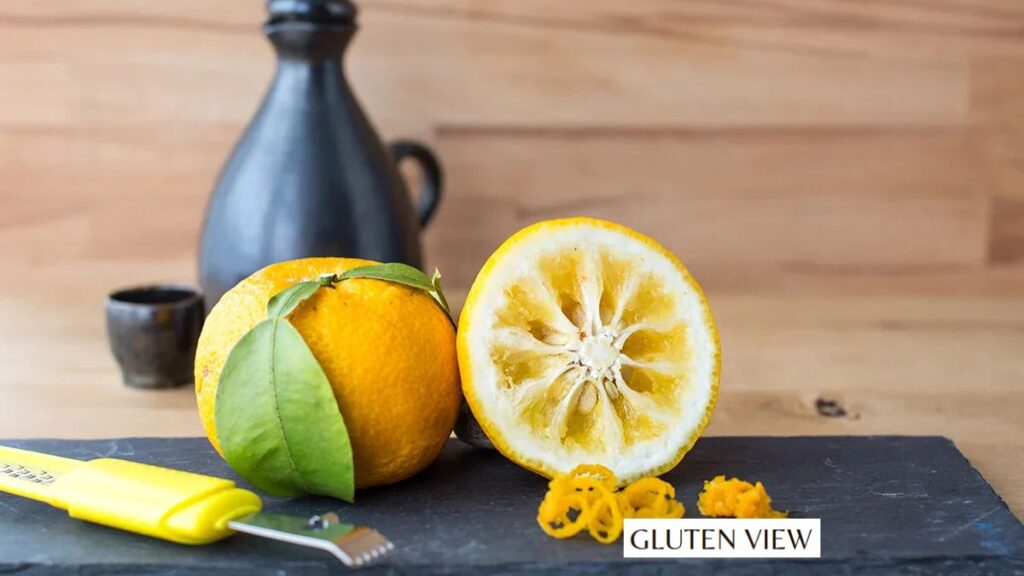
First of all, let us talk about what this sauce actually is. Yuzu is a citrus fruit from East Asia that has a very complex and sour flavor. It is incredibly fragrant and nothing else tastes quite like it. People often use it to make ponzu, which is a thin, tangy sauce used for dipping or marinating. A classic ponzu combines citrus juice with rice vinegar, mirin, and soy sauce.
The flavor is a perfect balance of sweet, salty, bitter, and sour all at once. It is a total umami powerhouse. However, the traditional soy sauce used in the mix is the main reason why we ask Is Yuzu Sauce Gluten Free. Soy sauce is usually made from fermented soybeans and wheat. Therefore, a standard bottle from a regular store might be a landmine for someone with celiac disease.
On top of that, yuzu is used in many different ways. You might see it in dressings or even mixed with spicy peppers. The variety of products can make shopping quite a challenge.
Why does gluten hide in these sauces?
The main problem is the “primary condiment” used as a base. Traditional Japanese shoyu is brewed with a mix of soy and wheat. This wheat provides a sweet and nuanced flavor, but it also adds gluten. Additionally, some companies use wheat as a thickener to give the sauce a better texture. It is quite common for processed foods to use gluten as a binding or extending agent.
Many people wonder is yuzu dressing gluten free when they see it on a salad. The answer often depends on the thickeners and the type of soy sauce the chef used. Some commercial brands add malt vinegar too. Malt vinegar is made from barley, which is a major source of gluten. This is why reading the ingredient list is a vital step for your health.
Furthermore, cross-contamination is a real risk. Even if the ingredients seem safe, the factory might process wheat on the same equipment.
Safe brands and data analysis
You do not have to give up this delicious flavor. Several brands now offer safe options for the health-conscious community. Below is a short table that compares some common products you might find.
| Brand | Product Name | Gluten-Free Status | Base Ingredient |
| Mizkan | Yuzu Ponzu | Safe (Certified) | Gluten-free Soy Sauce |
| Yamasa | Yuzu Ponzu Glaze | Safe | Gluten-free Soy Sauce |
| Igeta Shoyu | Yuzu Soy Sauce | Safe | Tamari |
| Kikkoman | Standard Ponzu | Not Safe | Wheat-based Soy Sauce |
As you can see, the brand makes a huge difference. Mizkan is a popular choice because they are the number one ponzu maker in Japan and their version is suitable for vegans and those avoiding gluten. Additionally, Yamasa offers a glaze that uses corn starch instead of wheat to get that thick consistency.
Always look for the words “Tamari” or “Gluten-Free Soy Sauce” on the label. Tamari is classically made with only soybeans and no wheat. It is a much safer bet for your gut.
Is yuzu juice gluten free on its own?
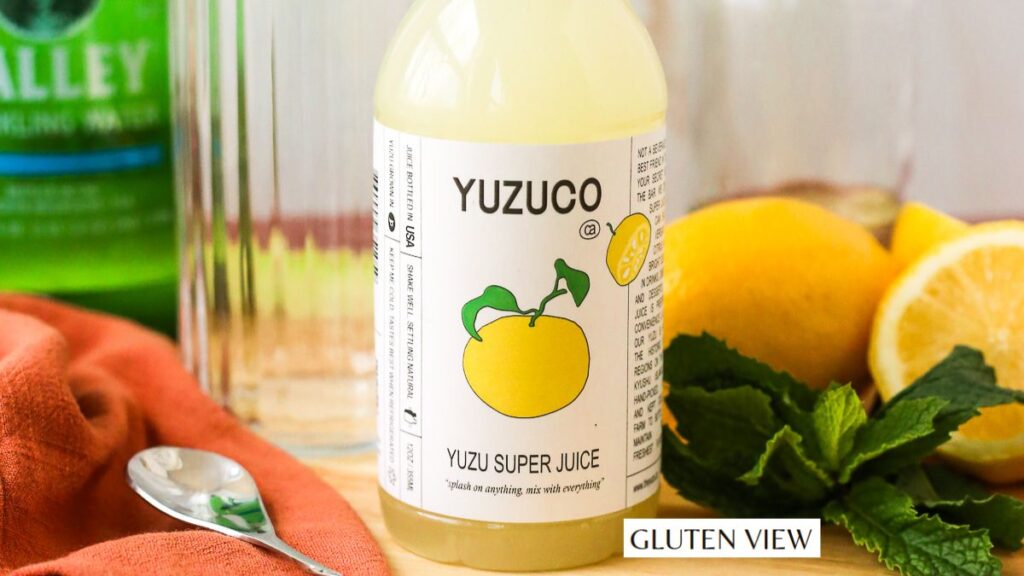
The great news is that the fruit itself is perfectly fine. Is yuzu juice gluten free? Yes, it absolutely is. Pure juice from the yuzu fruit is a simple agricultural product. It does not naturally contain any of the proteins that trigger celiac disease.
However, you must be careful with “yuzu juice blends.” Some bottled juices have additives. For example, a hot sauce might list yuzu zest and chili pepper, but it could also have traces of wheat from the facility. Always check for a certified logo to be 100% sure. Pure yuzu juice is available at most Asian markets and is usually kept in the refrigerated section.
If you can find the pure juice, you are halfway to a safe meal. It adds a bright, tangy kick to anything it touches. It is like a little bottle of culinary sunshine.
Step by step: Make your own sauce at home
The best way to know is yuzu sauce gf is to make it yourself. It is very quick and only takes about five minutes of work. Plus, you can change the flavors to suit your own taste buds. Here is how you can do it:
- Gather your safe ingredients. You will need fresh yuzu juice (or a mix of lemon and lime), rice vinegar, and mirin.
- Choose your salty base. Use a high-quality tamari or a certified gluten-free soy sauce.
- Add a touch of sweet. A little bit of light brown sugar or maple syrup helps to balance the sour citrus.
- Mix it up. Combine everything in a jar and shake it well.
- Let it rest. Allow the mixture to sit for at least an hour so the flavors can meld together.
This homemade version is much better than store-bought bottles. You avoid all the chemical additives and preservatives found in commercial brands. It is fresh, zesty, and completely safe for your diet.
Tips for health-conscious shoppers
Shopping for condiments requires a bit of detective work. You should always look for “red flag” words on the back of the bottle. Below is a checklist to help you stay safe while you search for the best options.
| Ingredient to Avoid | Why it is a Risk | Safe Alternative |
| Shoyu | Contains wheat | Tamari |
| Malt Vinegar | Made from barley | Rice Vinegar or Apple Cider Vinegar |
| Wheat Starch | Common thickener | Corn Starch or Xanthan Gum |
| Brewers Yeast | Usually contains barley | Nutritional Yeast |
Additionally, do not trust a label that just says “wheat-free.” A product can be wheat-free but still contain rye or barley. Look for the official gluten-free certification to ensure it meets the standard of less than 20 parts per million of gluten. This level is considered safe for most people with celiac disease.
Another tip is to be wary of “secondary condiments”. These are sauces that use other pre-made sauces as ingredients. Barbecue sauce and yuzu dressings often fall into this category. They have a whole host of potential gluten sources to keep track of.
Understanding the health risks of gluten
For someone with celiac disease, eating gluten is not just a minor annoyance. It is an immune-mediated disease that causes inflammation in the small intestine. The damage can lead to chronic diarrhea, abdominal pain, and even anemia. Some people also experience brain fog or extreme fatigue.
Gradually, this damage makes it hard for your body to absorb nutrients from your food. This can lead to other serious health problems over time. Even people without celiac disease might have a “non-celiac gluten sensitivity”. These individuals feel much better when they remove wheat from their daily diet.
Taking control of your diet is the only effective treatment right now. This means you must be 100% strict about what goes into your body. Understanding Is Yuzu Sauce Gluten Free is a big part of that journey.
Common yuzu varieties you should know
You might find several different types of yuzu products in the store or at a restaurant. Each one has its own set of rules.
- Yuzu Kosho: This is a spicy paste made from yuzu peel and chili peppers. Is yuzu kosho sauce gluten free? Often, yes, but brands like Yakami Orchard are not always certified.
- Yuzu Miso: This is a mix of yuzu and fermented soybean paste. Is yuzu miso sauce gluten free? You must check the miso. Some miso is made with barley or wheat, so look for a “white miso” made only with rice and soy.
- Wasabi Yuzu: Some sauces mix the heat of wasabi with the tang of yuzu. Is wasabi yuzu sauce gluten free? Most wasabi is just horseradish and vinegar, which is safe, but the soy sauce in the blend is the main risk.
- Wagamama Style: Many people ask is wagamama yuzu sauce gluten free when dining out. Restaurants often use standard soy sauce in their house blends, so you must always ask the server for the gluten-free menu.
FAQ’s
Is Yuzu Sauce Gluten Free?
Most traditional versions are not safe because they contain soy sauce made with wheat. However, you can find certified gluten-free brands or make your own with tamari. Always check the bottle for a gluten-free label.
Is yuzu dressing gluten free?
It depends on the ingredients. Many dressings use soy sauce or wheat-based thickeners. You must read the label to see if they use tamari or if the product is certified. Homemade dressings with yuzu juice and oil are a much safer choice.
Is yuzu juice gluten free?
Yes, pure yuzu juice is naturally free of gluten. It is just fruit juice. Just make sure there are no additives or cross-contamination risks listed on the bottle.
Is yuzu sauce gf if it contains tamari?
Yes, tamari is a Japanese-style soy sauce made without wheat. If a yuzu sauce uses tamari instead of regular soy sauce, it is generally safe for people with celiac disease.
Is yuzu ponzu sauce gluten free?
Traditional ponzu has wheat. You must look for a specific “gluten-free ponzu” like the ones from Mizkan or Yamasa. These brands use special soy sauce to keep the product safe.
Is yuzu soy sauce gluten free?
Standard yuzu soy sauce contains wheat. However, some brands like Shimane make a version with tamari that is safe to eat.
Is yuzu kosho sauce gluten free?
Most yuzu kosho is a simple paste of fruit and peppers. While it is usually safe, some brands are not certified, so people with high sensitivity should be careful.
Is wagamama yuzu sauce gluten free?
You should be very careful at restaurants like Wagamama. They often use standard soy sauce in their dressings. Always tell your server about your allergy and ask for the gluten-free options.
Is wasabi yuzu sauce gluten free?
Wasabi and yuzu are safe on their own, but the sauce often has soy sauce added for saltiness. Check the ingredients for any wheat-based additives.
Is yuzu miso sauce gluten free?
It is only safe if the miso base is gluten-free. Some miso uses barley or wheat during fermentation. Look for miso made from rice or soy only.
Concluding Words
Eating a gluten-free diet is a big change, but it is one of the best things you can do for your health if you have a sensitivity. Adopting this lifestyle can help you feel your best and avoid the painful symptoms of celiac disease. Though it takes some extra effort to check every bottle, the reward is a happy and healthy gut.
Remember that you are in control of what you eat. Use the tools and data available to make smart choices. Whether you are buying a bottle of Mizkan or making a fresh batch at home, you can enjoy the zesty taste of yuzu without any fear. Is Yuzu Sauce Gluten Free? It can be, as long as you know what to look for and stay focused on safe, fresh ingredients.