Many people love a rich sauce on their steak or fish. Is Bearnaise Sauce Gluten Free – Facts for Safe Gluten-Free Eating is a vital topic for anyone with celiac disease or gluten sensitivity. About 1 in 70 Australians have a diagnosis of celiac disease, and they must follow a very strict diet. Data shows that around 1 per cent of the general population suffers from this condition.
Sadly, over 80 per cent of people with this disease do not even know they have it. It is a serious autoimmune issue where the body attacks itself when gluten is present. This sauce usually contains butter, egg yolks, and herbs, which are naturally safe. However, thickeners and cross-contamination can change everything.
- Traditional recipes are usually safe, but many store-bought mixes use wheat flour as a thickener.
- Cross-contamination in restaurant kitchens is a major risk for those with celiac disease.
- Always check labels for hidden gluten terms like maltodextrin or yeast extract.
What exactly is Bearnaise sauce?
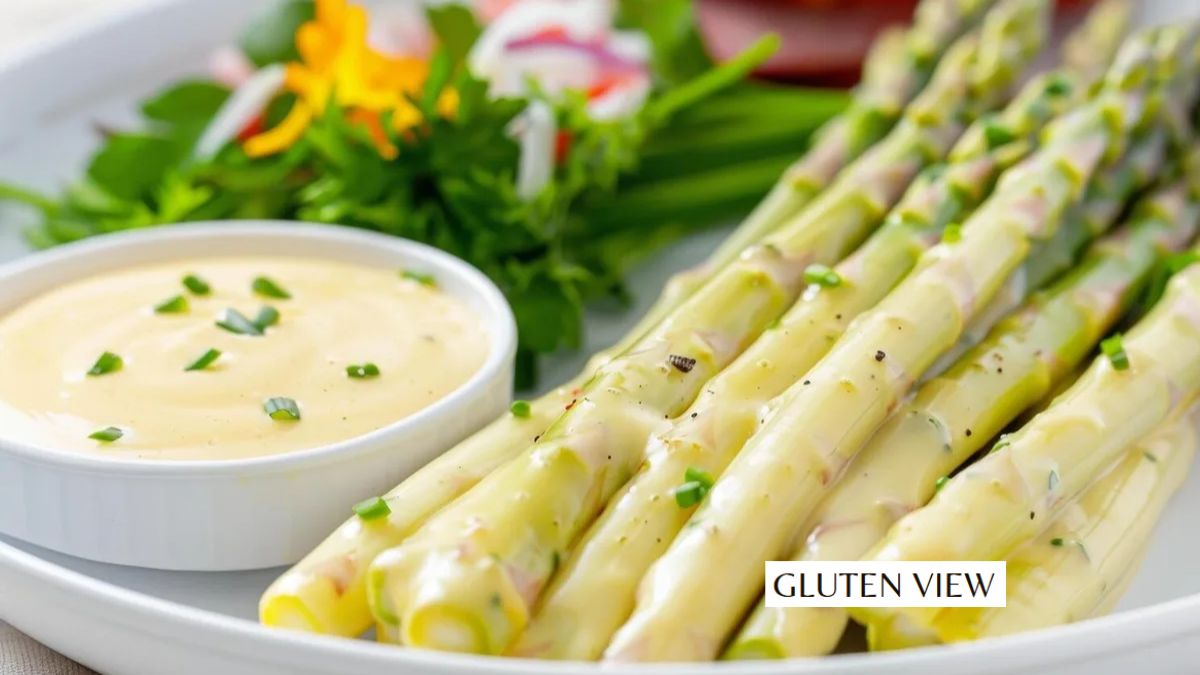
This classic French sauce is a child of Hollandaise sauce. It comes from the Béarn region of France. Chefs make it by creating an emulsion of clarified butter and egg yolks. They flavor it with white wine vinegar, shallots, and fresh herbs like tarragon and chervil. It is thick, creamy, and savory. People often serve it with steak, but it also goes great with salmon and vegetables like asparagus.
The history of this sauce shows it is a staple of fine dining. It is prized for its velvety texture. However, the process is delicate. The sauce can curdle if the temperature is not constant. Because the core ingredients are simple, many assume it is always safe. This is not always the case. Some modern versions or “short-cut” recipes might add flour to help the thickening process. You must always ask about the base ingredients.
Does bearnaise sauce have gluten?
In its purest form, the answer is no. Most traditional recipes do not use any wheat products. Butter, eggs, and vinegar are all naturally free from gluten. Plus, fresh herbs like tarragon provide antioxidants without any risk. But the real world is complicated. Many commercial kitchens and food companies take shortcuts.
Some brands use wheat flour to ensure the sauce stays thick and stable. This is why you must ask: does bearnaise sauce have gluten before you take a bite. Additionally, some vinegars like malt vinegar contain gluten from barley. On top of that, “secret” ingredients in pre-made bases can hide wheat. You have to be a detective. Always look for a certified gluten-free label when you shop.
Why safe gluten-free eating matters for your health
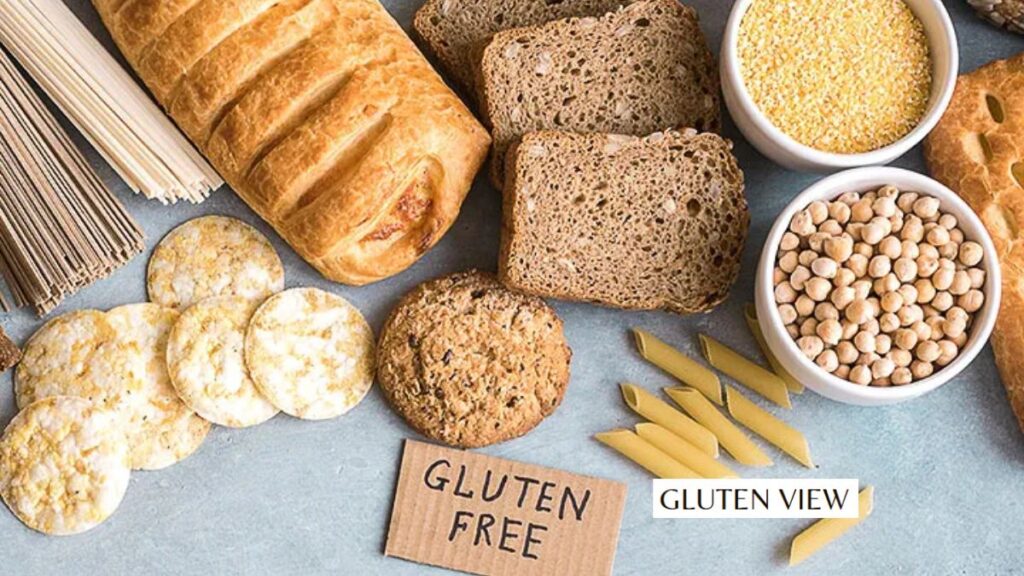
Gluten is a protein found in wheat, barley, and rye. For a person with celiac disease, it is like a poison. Their immune system attacks the small intestine when they eat it. This causes inflammation and damage to the gut lining. Gradually, this leads to problems like anemia, fatigue, and nutrient deficiencies. Plus, it can increase the risk of serious issues like osteoporosis or even cancer.
| Condition | Common Symptoms | Potential Long-Term Risks |
| Celiac Disease | Diarrhea, bloating, weight loss | Infertility, bone loss, lymphoma |
| Gluten Sensitivity | Stomach cramps, brain fog | Chronic inflammation |
| Wheat Allergy | Hives, swelling, anaphylaxis | Life-threatening reactions |
People who are health conscious or have non-celiac sensitivity also see benefits from avoiding wheat. Some studies suggest that removing gluten can improve symptoms of IBS and even some brain disorders like autism. Therefore, knowing does bearnaise have gluten is more than just a preference. It is a health necessity. You should take control of your diet to feel your best.
Is Bearnaise Sauce Gluten Free – Facts for Safe Gluten-Free Eating for store brands
When you go to the grocery store, the labels can be confusing. You might wonder, is knorr bearnaise sauce gluten free? The short answer is no. Knorr Bearnaise Sauce mix typically contains enriched wheat flour. It also has maltodextrin and yeast extract, which can be risky. Many former fans are disappointed because the recipe has changed over the years.
Similarly, you should check other popular brands. You may ask, is mccormick bearnaise sauce gluten free? While many spice mixes are safe, you must read the packet every time for added thickeners. On the contrary, is reese bearnaise sauce gluten free is often a “yes” because they use more natural ingredients, but you still need to refrigerate it after opening because of the eggs.
| Brand Name | Gluten Status | Notable Ingredients |
| Knorr Mix | Not Gluten Free | Enriched wheat flour, milk |
| Reese Sauce | Usually Safe | Natural ingredients |
| Maille | Check Label | Mustard base |
| Waitrose | Usually Safe | Real butter, cream |
Later in your shopping trip, you might see other options. Benedicta is a tangy choice, but some find it tastes more like tarragon mayonnaise. Plus, always remember that ingredients change. A brand that was safe last year might not be safe today. Always read the back of the jar.
Does bearnaise sauce contain gluten in restaurants?
Eating out is the biggest challenge for the gluten-free community. You might want to know, is the keg bearnaise sauce gluten free? The sources provided do not give specific data for “The Keg” restaurant. However, they do show how other restaurants handle this sauce. For example, Browns Brasserie is accredited by Coeliac UK. Their gluten-free menu specifically lists Bearnaise sauce as an option for their steaks.
However, you must be careful at other places. Milestones Restaurants has a detailed guide. Their peppercorn sauce contains wheat and gluten. On top of that, their Bearnaise ingredients (listed under “Surf N Turf Topper”) include butter, egg yolk, wine, vinegar, onion, and tarragon. While those ingredients are safe, the guide warns that cross-contamination can occur during preparation.
- Ask about the thickener. Do they use a roux made of flour?
- Check the vinegar. Do they use malt vinegar?
- Inquire about shared spaces. Is the sauce made in a dedicated clean area?
Staff ignorance is a real danger. A waitress might tell you a sandwich is gluten-free when it is not. Some chefs even believe that high heat “burns off” gluten in fryers, which is a total myth. Therefore, you must be your own advocate. Never feel bad for asking too many questions.
The importance of cross-contamination awareness
Cross-contamination happens when safe food touches gluten. This can happen on a shared cutting board or with a dirty spoon. Even a tiny trace can make a person with celiac disease very sick. Does bearnaise sauce have wheat is only half the battle. You also need to know if the chef used the same whisk for a flour-based gravy and your Bearnaise.
At that time, the kitchen might be very busy. Staff might forget to wash their hands or change their gloves. This is why eating at accredited places like Browns is so helpful. They have processes and training to ensure meals are safe. In Australia, “gluten free” must mean no detectable gluten at all. In the US, the limit is 20 parts per million. Safety is a team effort between you and the restaurant.
How to make a safe bearnaise sauce at home step by step
Making your own sauce is the best way to stay safe. It is actually quite fun. First of all, gather your fresh ingredients. You will need egg yolks, butter, lemon juice, shallots, parsley, tarragon, and white vinegar.
- Step 1: Use a double boiler. Mix 2 egg yolks and 1 tablespoon of lemon juice over hot (not boiling) water.
- Step 2: Add 1/2 cup of butter in small pieces. Stir until each piece melts and the sauce thickens.
- Step 3: Stir in diced shallots, chopped parsley, chopped tarragon, and 2 teaspoons of white vinegar.
- Step 4: Serve it immediately over your favorite steak or fish.
This method ensures that no wheat ever touches your food. Plus, it tastes much better than anything from a packet. You can enjoy your meal without any fear. Homemade is always a win for health conscious people.
Tips and tricks for avoiding hidden wheat in sauces
Hidden gluten is everywhere in processed foods. It acts as a binding agent or a stabilizer. You might find it in soy sauce, bouillon cubes, or even salad dressings. This is why you must learn the “secret” names for wheat.
- Maltodextrin: This often comes from corn, but it can come from wheat.
- Yeast Extract: This can be a byproduct of the beer industry and contain barley.
- Modified Food Starch: Always check if the source is wheat or corn.
Additionally, be careful with “wheat-free” labels. They do not always mean the food is gluten-free. The item could still have barley or rye in it. Stick to fresh, whole foods whenever you can. Fruits, vegetables, and plain meats are your best friends. Gradually, you will become an expert at spotting the risks.
Is Bearnaise Sauce Gluten Free – Facts for Safe Gluten-Free Eating when dining out
When you sit down at a restaurant, do not be afraid to speak up. Be brave and tell the staff you have a serious allergy or celiac disease. You are not being difficult. You are staying healthy. Ask if they have a dedicated gluten-free menu.
Furthermore, watch out for shared fryers. If the restaurant fries breaded chicken in the same oil as their “gluten-free” chips, the chips are no longer safe. On top of that, ask if they use communal jars for spreads or sauces. A single crumb can cause a week of pain. Vote with your feet and support the places that take your health seriously.
FAQ’s
What is the main risk in Bearnaise sauce?
The main risk is the use of wheat flour as a thickening agent in pre-made mixes or restaurant recipes. Traditional recipes are safe, but additives are common. Always ask if the sauce contains flour or malt-based ingredients.
Is knorr bearnaise sauce gluten free?
No, it is not. The mix contains enriched wheat flour and other additives that are not safe for people with celiac disease. You should avoid this brand if you are sensitive to gluten.
Does bearnaise sauce contain gluten if it has vinegar?
It depends on the type of vinegar. White wine vinegar and distilled vinegars are usually safe. However, malt vinegar is made from barley and contains gluten. Always check which vinegar the chef used.
Can I trust a “gluten-free” label on a menu?
Unfortunately, you cannot always trust it 100 per cent. Some kitchens have high rates of cross-contamination or staff who do not understand the risks. It is better to ask specific questions about preparation.
Is Bearnaise Sauce Gluten Free – Facts for Safe Gluten-Free Eating for homemade versions?
Yes, homemade versions are almost always safe if you use basic ingredients like butter, eggs, and herbs. You have total control over your kitchen. This is the safest way to enjoy the sauce.
What are the symptoms if I accidentally eat gluten?
Common symptoms include diarrhea, bloating, stomach pain, and fatigue. Some people also experience “brain fog” or skin rashes. If you feel sick after eating out, you might have been “glutened”.
Are there gluten-free alternatives to Bearnaise?
Yes, you can try Hollandaise sauce, which is very similar and usually safe. Beurre Blanc is another buttery French sauce that is typically gluten-free. Always verify the ingredients just to be sure.
How much gluten can make a celiac person sick?
Even a tiny trace can cause damage. The safe threshold varies, but many experts suggest staying under 20 parts per million for safety. A single crumb of bread is often enough to trigger a reaction.
Is Bearnaise Sauce Gluten Free – Facts for Safe Gluten-Free Eating in high-end restaurants?
Usually, high-end restaurants use traditional methods and fresh ingredients, which are safer. However, cross-contamination is still a risk in any shared kitchen. Always inform your waiter about your needs.
Does bearnaise sauce have wheat in it when it is keto-friendly?
Not necessarily. Many keto-friendly foods avoid wheat because it is high in carbs. However, “keto” does not always mean “gluten-free.” You still need to check for non-grain sources of gluten.
Concluding Words
Is Bearnaise Sauce Gluten Free – Facts for Safe Gluten-Free Eating is a topic that requires constant vigilance. While the classic ingredients of butter and eggs are safe, the modern world adds many traps. Store brands like Knorr often use wheat flour, and restaurant kitchens are hotspots for cross-contamination.
Therefore, you must read every label and question every chef. Making your own sauce at home is the most reliable way to stay healthy and happy. By sticking to whole foods and staying informed, you can enjoy delicious meals without the fear of getting sick. Safety starts with knowledge.