Have you ever stared at a menu and wondered if that spicy sauce will make you sick? Many people love the bold heat of Chinese food. However, for those with Celiac disease or gluten sensitivity, a simple meal can feel like a trap. This guide focuses on Is Szechuan Sauce Gluten Free – Ingredients, Brands & Safety Tips so you can eat without fear. It is a spicy world out there.
The world of sauces is often a hidden home for wheat. Actually, researchers say about one percent of the population has Celiac disease. Plus, many of these people do not even know they have it. Therefore, we must analyze every ingredient carefully. This post breaks down the data and gives you real tips for your next dinner out. Here is the lowdown on Is Szechuan Sauce Gluten Free – Ingredients, Brands & Safety Tips.
- Traditional Szechuan sauces usually contain wheat because of soy sauce or fermented bean paste.
- Certified brands like San-J or Mekhala provide safe, delicious options for home cooking.
- You must always check labels for hidden wheat starch or malt vinegar when buying premade jars.
What is Szechuan Sauce Anyway?
Szechuan sauce is a spicy, savory, and umami-filled condiment with origins in China. It is also called Sichuan, Szechwan, or Schezwan. People love it for the unique “numbing” sensation it creates on the tongue. This feeling comes from the Sichuan peppercorns. These little berries have a lemony and peppery flavor. They are not hot like a chili. Rather, they provide a tingle.
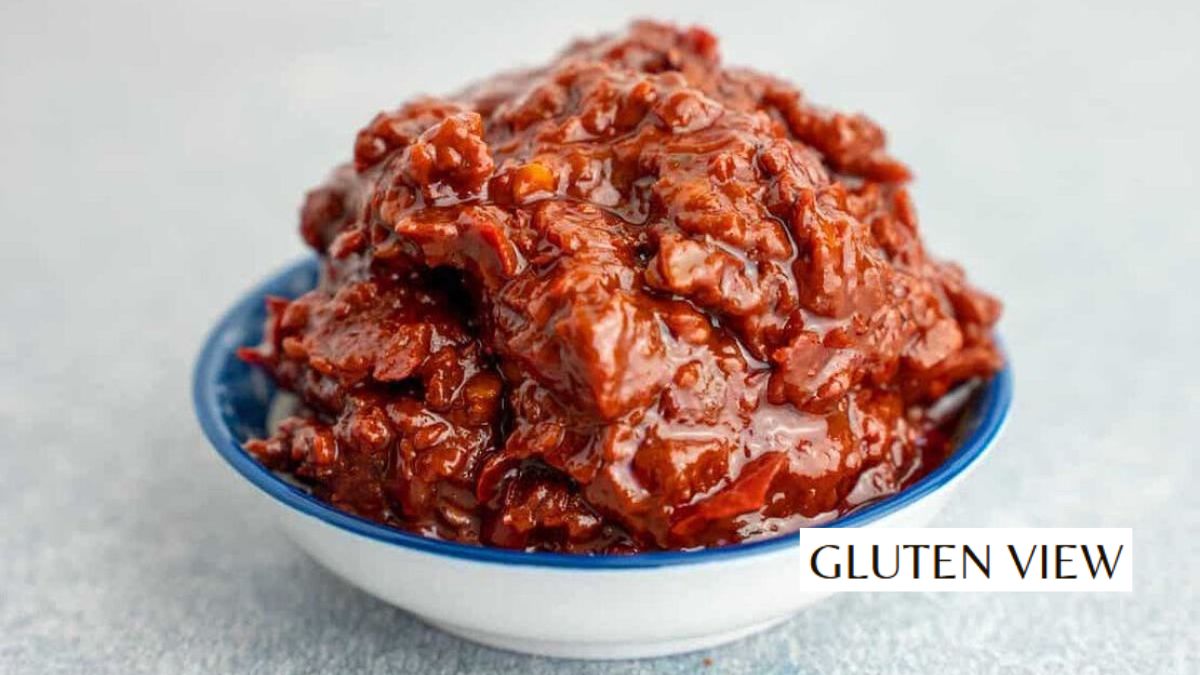
This sauce exists in many forms. You might find a sugary version at a fast-food joint. On the contrary, authentic versions are often deep, fermented, and oily. Some use a base called doubanjiang, which is a fermented chili bean paste. Others are more like a chili crisp. Does it taste good? Absolutely. Is it always safe? That is a different story.
The history of this sauce is long. It reflects the bold cooking techniques of the Sichuan province. Additionally, an Indian version called Schezwan chutney has become very popular in Mumbai street food. This version often adds celery and local Indian spices. Because of these different styles, you must ask questions before you take a bite.
The Importance of Knowing Your Ingredients
To stay healthy, you must be a detective. Gluten is a protein found in wheat, barley, and rye. It acts like a glue in food. For most people, this is fine. But for some? It is a nightmare. In Celiac disease, the immune system attacks the small intestine when it sees gluten. This causes pain, fatigue, and nutrient loss.
Statistical data shows that the rate of Celiac disease is increasing rapidly. Though some experts thought it was rare, it actually affects about 1 in 133 Americans. On top of that, about 20 million people may have non-celiac gluten sensitivity. These people feel sick but do not have the same intestinal damage. Therefore, understanding Is Szechuan Sauce Gluten Free – Ingredients, Brands & Safety Tips is a life-changing task.
| Ingredient | Potential Gluten Source | Safety Note |
| Soy Sauce | Wheat | Look for Tamari instead. |
| Doubanjiang | Wheat Flour | Hard to find GF versions. |
| Vinegar | Malt Vinegar | Stick to rice vinegar. |
| Thickener | Wheat Starch | Use corn starch or xanthan gum. |
Most traditional recipes use soy sauce. Unfortunately, standard soy sauce is brewed with wheat. The wheat fermentation introduces the gluten. Plus, doubanjiang often uses wheat flour as a thickener and fermentation agent. If you are not careful, a single tablespoon could ruin your week.
How to Tell if Your Sauce Contains Gluten
Does Szechuan sauce have gluten? Most of the time, the answer is yes. You should first look at the allergen statement on the back of the bottle. Laws in many countries require companies to list wheat clearly. However, barley and rye are sometimes hidden under “natural flavors”. This is a sneaky trick.
You should also check for “modified food starch“. While this is often corn-based, it can sometimes come from wheat. Additionally, look for yeast extract. Some yeast extracts come from barley. If a label says “Certified Gluten-Free,” the product must contain less than 20 parts per million (ppm) of gluten. This is the safe limit for most people with Celiac disease.
Another red flag is the presence of “hydrolysed wheat protein”. This is often used to improve texture or flavor. It is pure gluten. Even if the sauce looks oily and clear, it might have these additives. On the contrary, some brands like The Mala Market double-test their sauces to ensure they are safe. Always trust the test results over your gut feeling.
Is Szechuan Sauce Gluten Free – Ingredients, Brands & Safety Tips: Common Brands Status
Many of us love the convenience of big brands. But can we trust them? Let us look at the data. McDonald’s famously released a Szechuan sauce for a limited time. Their nutrition facts are very clear. It contains 35 calories and 8 grams of carbohydrates. More importantly, it contains wheat, soy, and gluten. You must avoid this one if you are sensitive.
| Brand | Gluten Status | Notable Ingredients |
| McDonald’s | Contains Gluten | Wheat, Soybeans, Wheat Starch |
| P.F. Chang’s | GF Options Available | Uses separate woks and utensils |
| Lee Kum Kee | Most have Gluten | Wheat flour, Soy sauce |
| San-J | Gluten-Free | Brewed without wheat |
P.F. Chang’s is a better choice for eating out. They have had a separate gluten-free menu for nearly a decade. Their chefs use designated woks and utensils to prevent cross-contamination. This is a massive win for the Celiac community. Always alert your server though. Mistakes can happen in a busy kitchen.
Lee Kum Kee is a household name. However, their Sichuan Spicy Noodle Sauce contains wheat and soybeans. On the other hand, they do offer some specific gluten-free sauces, like their gluten-free oyster sauce. You must read every single label every single time. Ingredients in food products change frequently. Do not get complacent.
Step by Step Guide to Making Safe Szechuan Sauce
The best way to enjoy this flavor is to make it yourself. You control every drop. This ensures your meal is safe. First of all, gather your gluten-free supplies. You need tamari instead of soy sauce. Tamari is a Japanese sauce brewed with little to no wheat. Always verify the “Wheat-Free” claim on the bottle.
Ingredients you will need:
- Tamari (Gluten-free soy sauce alternative).
- Sichuan peppercorns (Freshly ground for the best tingle).
- Chili flakes or Chili oil (Ensure the oil is pure).
- Rice vinegar (Make sure it is not a malt blend).
- Ginger and Garlic (Fresh is always safer than powders with fillers).
- Sugar or Honey for sweetness.
- Xanthan gum (Optional, to thicken if needed).
How to make it:
- First, toast your Sichuan peppercorns in a dry pan until they smell amazing.
- Later, grind them into a fine powder.
- Next, heat some neutral oil (like rapeseed or safflower) in a small pot.
- Add your garlic and ginger. Sizzle them briefly but do not burn them.
- Finally, stir in your tamari, rice vinegar, sugar, and the ground peppercorns.
- Simmer for a few minutes. If it is too thin, add a tiny bit of cornstarch slurry or xanthan gum.
This homemade version is much safer than store-bought jars. Additionally, it tastes fresher. You can adjust the heat to your liking. If you miss the flavor of doubanjiang, try using a gluten-free red miso paste. It adds a similar umami punch without the wheat. Gradually, you will find the perfect balance.
Tips and Tricks for Eating Out Safely
Dining out should be fun. However, it requires a plan. First of all, choose restaurants with a good reputation for handling allergies. P.F. Chang’s is a great example because they use an extensive “allergy matrix”. This helps staff track which sauces are safe. Similarly, many modern places now label their menus with “GF” symbols.
Rules for a safe dinner:
- Ask about the soy sauce. Most kitchens use cheap, wheat-filled soy sauce for everything.
- Beware of “Szechuan Chicken.” Often, the chicken is dusted in flour before frying. You must ask if the meat is battered.
- Check the fryer. Even if a sauce is safe, the food might be cooked in a shared fryer with breaded items. This causes cross-contamination.
- Speak to the manager. Sometimes servers do not know the exact ingredients of a house-made sauce.
- Look for steamed options. Steamed meat and veggies with a side of tamari (if you bring your own!) is a fail-safe move.
Is Szechuan chicken gluten free? Usually, it is not. The chicken is often breaded. Plus, the sauce likely contains wheat-based soy. Therefore, you should stick to places that explicitly offer a gluten-free version. At that time, you can truly relax. If a restaurant seems confused by your questions, it is better to leave. Your health is more important than a spicy meal.
How Gluten Affects the Human Body
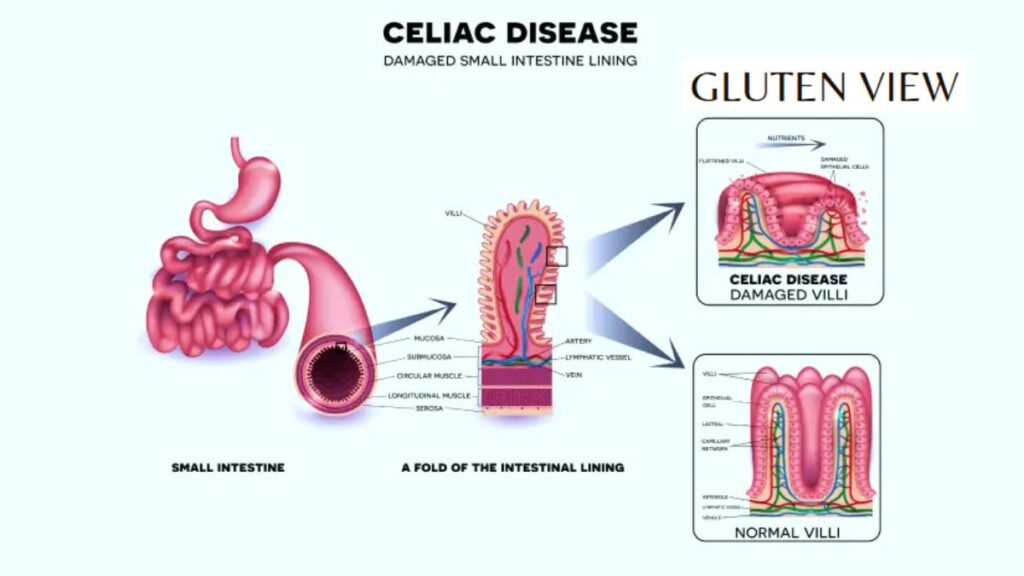
To understand the danger, we must look at the science. Gluten is composed of two main proteins: gliadin and glutenin. Gliadin is the part that causes the most trouble. It contains sequences that the human gut cannot easily break down. For people with Celiac disease, these proteins act like a “foreign invader”.
When gluten enters the small intestine, the immune system mounts an attack. This attack damages the villi, which are tiny finger-like structures that absorb food. Without healthy villi, you become malnourished. You might feel tired or lose weight without trying. Additionally, it can lead to serious issues like anemia or even bone loss over time.
Is Szechuan gluten free? If it contains wheat, it is a toxin for these individuals. Even a tiny crumb can trigger a response. Some studies suggest that gluten can even affect the brain. People with schizophrenia or autism sometimes see improvements when they stop eating it. Though this is still being researched, it shows how powerful food can be.
Why Celiac Patients Must Be Extra Careful
A “little bit” of gluten is not okay. For someone with Celiac disease, the damage happens even if they do not feel symptoms. Actually, over 80% of people do not even know they have the condition because they lack abdominal pain. They might just feel tired or have “brain fog.” This makes the disease very dangerous.
The only treatment is a strict, lifelong gluten-free diet. There is no pill you can take to make it go away, although some trials are happening. Therefore, Is Szechuan Sauce Gluten Free – Ingredients, Brands & Safety Tips is a vital topic for daily survival. You cannot “cheat” on this diet. Every exposure causes internal damage.
Data shows that the average Western diet includes 5 to 20 grams of gluten a day. A single slice of bread has about 4 grams. For a Celiac patient, the safe limit is often less than 50 milligrams. That is a tiny fraction of a slice. Because of this, cross-contamination in kitchens is a major threat. A wooden spoon that touched wheat can transfer enough gluten to make someone sick.
The Best Gluten Free Alternatives to Try
You do not have to live a bland life. There are amazing products out there. If you want a readymade sauce, look for San-J Szechuan Sauce. It is certified and tastes authentic. Mekhala also makes an organic Szechuan Mala chili paste that is gluten-free. These brands use high-quality ingredients and no wheat fillers.
Other great swaps:
- Chili Crisp: Many versions of chili crisp are naturally gluten-free because they focus on oil and peppers. Just check for soy sauce.
- Coconut Aminos: If you are also avoiding soy, this is a great, sweet-savory swap for tamari.
- Gochujang: This Korean paste is often wheat-based, but many brands now make a GF version using rice.
- Homemade Chili Oil: Infuse oil with Sichuan peppercorns and dried flakes for a simple, safe kick.
Gradually, you will build a pantry that is both spicy and safe. You do not need wheat to have flavor. Authentic Sichuan cooking relies on high-quality spices and fermentation. By choosing the right brands, you can enjoy the same “numbing” heat that everyone else loves.
FAQ’s
Is Szechuan sauce gluten free?
Usually, it is not. Most traditional recipes and restaurant versions use soy sauce or fermented bean paste that contains wheat flour. You must look for certified gluten-free labels or use tamari to make your own at home.
Is schezwan sauce gluten free?
This depends on the brand. The Indo-Chinese version often includes soy sauce and local spices. While it is easy to make a gluten-free version with GF soy, the ones sold in jars often have wheat-based thickeners. Always read the bottle!
Does szechuan sauce have gluten?
Yes, in most commercial cases it does. Common ingredients like doubanjiang and standard soy sauce are made with wheat. Even fast-food versions, like the one from McDonald’s, contain wheat starch and gluten.
Is szechuan gluten free?
If you mean the cooking style, it can be. However, the sauces used in this cuisine are high-risk. You must avoid wheat-based soy and flour-thickened pastes. Stick to tamari and pure spices to stay safe.
Is szechuan chicken gluten free?
Rarely. Restaurants usually batter and fry the chicken in wheat flour. Additionally, the sauce poured over it likely contains wheat from soy sauce. You should only eat this if the restaurant has a dedicated gluten-free menu.
What is a good substitute for doubanjiang?
If you cannot find a gluten-free doubanjiang, try using gluten-free red miso. It has a similar fermented depth. You can also use gluten-free gochujang, but remember it will be a bit sweeter and milder.
Can Celiac patients eat at P.F. Chang’s?
Yes! They have a separate gluten-free menu and use dedicated woks to prevent cross-contamination. This makes them one of the safest chains for people with Celiac disease. Always tell your server about your allergy.
What are the “hidden” names for gluten?
Look out for malt, yeast extract, modified food starch, and hydrolysed wheat protein. These can all contain gluten even if “wheat” is not the first word you see.
Are Sichuan peppercorns safe?
Yes, pure Sichuan peppercorns are a spice and are naturally gluten-free. However, you must ensure they are not packaged in a facility that handles wheat to avoid cross-contamination.
Does McDonald’s Szechuan sauce contain wheat?
Yes, it does. The official ingredient list includes wheat, soybeans, and wheat starch. It is not safe for anyone with a gluten allergy or Celiac disease.
Concluding Words
Navigating the world of Asian flavors is tricky but possible. We have explored the big question: Is Szechuan Sauce Gluten Free – Ingredients, Brands & Safety Tips. The data is clear. Most traditional sauces use wheat, but you have options. Whether you buy certified brands like San-J or whip up a batch at home with tamari, you do not have to miss out.
Remember to be bold and ask questions at restaurants. Actually, your health depends on it. With about 1% of the world suffering from Celiac disease, awareness is growing. More brands are offering safe alternatives every year. Stay curious, read your labels, and enjoy that spicy tingle! It is time to eat with confidence again.