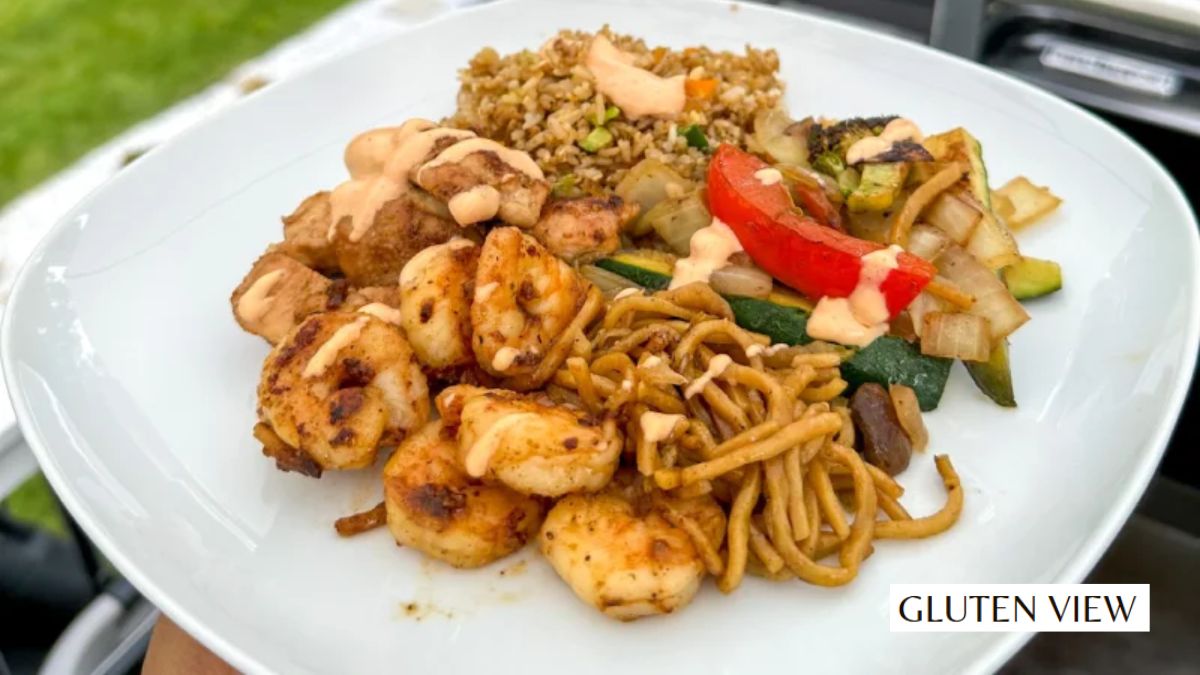
Is Hibachi Sauce Gluten Free – Ingredients You Should Know is a topic that sits heavy on the minds of many diners today. You walk into a Japanese steakhouse and the smell of sizzling meat immediately hits your nose. It is an exciting experience.
However, for those of you who struggle with Celiac disease or gluten sensitivity, that excitement often turns into a deep worry. Statistics show that about 1% of the general population suffers from Celiac disease, and that number is steadily on the rise. On top of that, experts suggest that over 80% of people with this condition do not even know they have it. This makes every meal a potential gamble.
- Traditional soy sauce contains wheat and is a primary source of gluten in almost all hibachi dishes.
- Cross-contamination is highly likely on shared teppanyaki grills unless the staff takes specific precautions.
- Homemade alternatives using tamari or coconut aminos are the only 100% safe way to enjoy these flavors without risk.
What Exactly Is Hibachi and Why Is It So Popular?
Hibachi cooking is a style that dates all the way back to the Heian period in Japan, which was between 794 and 1185 AD. At that time, people used small, portable grills for heat and cooking. Today, when we go to a restaurant, we usually see a large flat iron grill where a chef performs tricks with knives and fire. This modern version is often called teppanyaki in Japan, but most people in the United States call it hibachi. It is more than just a meal. It is a show.
The appeal of this dining style comes from the combination of fresh ingredients and intense heat. Chefs sear meats and vegetables at high temperatures to lock in moisture. Additionally, the sauces play a huge role in the final taste. They provide the acidity and creaminess that balance the rich, buttery flavor of the grilled food. However, this interactive dining experience can be a nightmare for people who must avoid gluten. Is Hibachi Sauce Gluten Free – Ingredients You Should Know is a question you must ask before the chef even starts the fire.
Is Hibachi Sauce Gluten Free – Ingredients You Should Know
The short answer is often “no” when you eat at a standard restaurant. Most chefs use a “house” sauce that contains traditional soy sauce. Since soy sauce is made with wheat, it is not safe for people with Celiac disease. On top of that, many commercial sauces use thickeners that might contain gluten as well. You should always assume that a sauce has gluten unless the restaurant specifically tells you otherwise.
You must look at the individual components to understand the risk. Is Hibachi Sauce Gluten Free – Ingredients You Should Know involves checking for things like malt, modified food starch, and wheat-based soy. Even if a sauce seems safe, it might be prepared in a way that introduces allergens. For example, some chefs use the same squeeze bottles for water, oil, and sauce. This creates a high chance for cross-contact on the grill. Therefore, you must be very careful and talk to your server about your needs.
Does Hibachi Sauce Have Gluten? A Deep Dive Into Ingredients
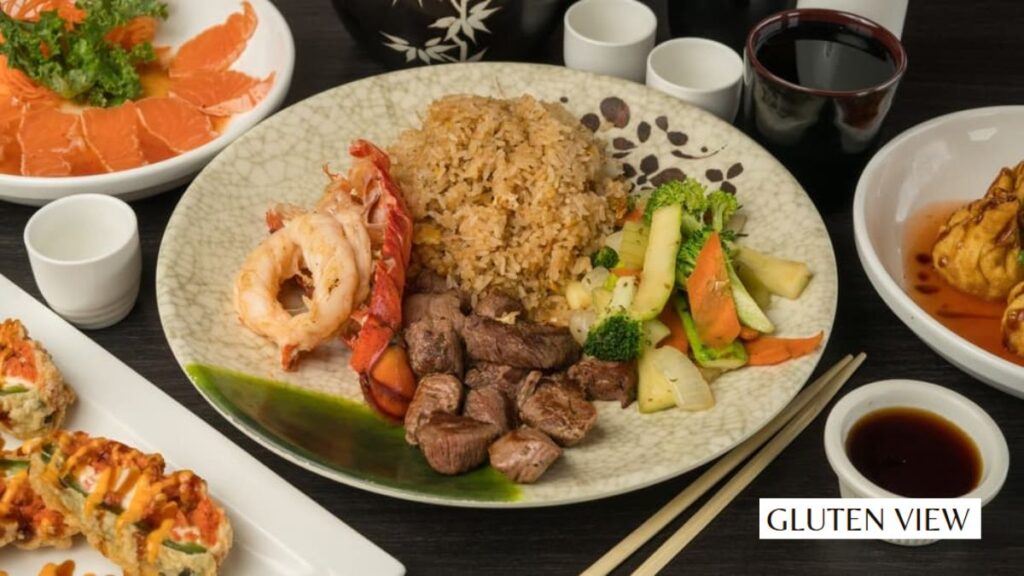
When you ask, does hibachi sauce have gluten, you are usually looking at two main types: the brown sauce and the white sauce. The brown sauce is usually a ginger-based dip. Its primary liquid is soy sauce. This is where the most danger lies. Wheat is a main ingredient in traditional soy sauce because it helps with the fermentation process. Plus, many restaurants add mirin or other seasonings that might have hidden gluten.
| Ingredient | Potential Gluten Source | Safe Alternative |
| Soy Sauce | Wheat | Tamari or Coconut Aminos |
| Teriyaki Sauce | Wheat-based soy | Gluten-free teriyaki |
| Miso | Some types use barley or wheat | Pure soy or rice miso |
| Thickeners | Flour or modified starch | Cornstarch or xanthan gum |
The list above shows how quickly gluten can enter your meal. Additionally, some “malt” flavorings are made from barley, which is another grain that people with Celiac disease must avoid. You must always read labels or ask the chef to see the original containers. This is the only way to be certain.
Is Hibachi White Sauce Gluten Free? The Yum Yum Mystery
Many fans of Japanese steakhouses live for the “pink sauce” or “white sauce.” Is hibachi white sauce gluten free is a common question on forums like Reddit. In many cases, the ingredients are naturally free of gluten. The base is usually mayonnaise, tomato paste, sugar, and spices like paprika. However, some commercial brands add thickeners or preservatives that contain wheat.
On the Reddit thread r/glutenfree, a user named Rosebudbynicky shared her experience. She mentioned that she usually finds Yum Yum sauce to be safe, but she always checks because “they put it in everything”. Some brands, like Terry Ho’s Gluten Free The Original Yum Yum Sauce, are specifically labeled for safety. But, in a restaurant setting, you cannot always be sure. Is hibachi yum yum sauce gluten free depends entirely on the specific recipe the chef uses that day. Always ask if they use any flour or soy sauce in their version.
Is Hibachi Ginger Sauce Gluten Free? The Truth About the Brown Sauce
The zesty, refreshing dip served with seafood and vegetables is usually the ginger sauce. If you are wondering is hibachi ginger sauce gluten free, the news is often bad. Most traditional recipes call for a large amount of soy sauce. Unless the restaurant uses a gluten-free alternative like tamari, this sauce will definitely make you sick if you have a gluten sensitivity.
The ingredients typically include:
- Yellow onion
- Fresh ginger
- Soy sauce (the main gluten source)
- Rice vinegar
- Lemon juice
- Sugar or maple syrup
If you want to know is hibachi ginger dressing gluten free, the answer is similar. Salad dressings at these restaurants often use the same base. You should always ask for oil and vinegar as a backup if they cannot confirm the safety of the house dressing. Is hibachi salad dressing gluten free is just as important as the sauce for the main course.
The Risks of Cross-Contamination at the Hibachi Table
Even if you find a sauce that is safe, the grill itself is a huge problem. Chefs cook everything on one large surface. They might cook your neighbor’s noodles, which contain wheat, right next to your steak. Is hibachi gluten-free depends on how the chef handles the equipment. If they use the same spatula to move noodles and then touch your meat, you are at risk.
Many people on Reddit suggest asking the chef to cook your meal in the back kitchen. A user named ChronoMonkeyX noted that his local place used a clean pan in the back to ensure no cross-contact occurred. This is a great tip for anyone who is highly sensitive. You still get to enjoy the flavors, but you skip the risk of a reaction.
Hibachi With Gluten Free Soy Sauce: How to Order Like a Pro
You can still have a great time if you know how to talk to the staff. First of all, tell the server about your allergy immediately. Many places, like Benihana, actually have a “Gluten Sensitive Menu”. They provide hibachi with gluten free soy sauce if you ask for it. This is a game changer for many diners.
Here are some tips for a safer experience:
- Ask for Tamari: Many high-end places keep gluten-free soy sauce in the back.
- Request a Clean Grill: Ask the chef to scrape and clean a section of the grill before starting your food.
- Skip the Noodles: Most hibachi noodles are made of wheat flour and are not safe.
- Choose Steamed Rice: Fried rice often has soy sauce added during the cooking process. Steamed rice is naturally safe.
Making Your Own: Is Hibachi Sauce Gluten Free – Ingredients You Should Know
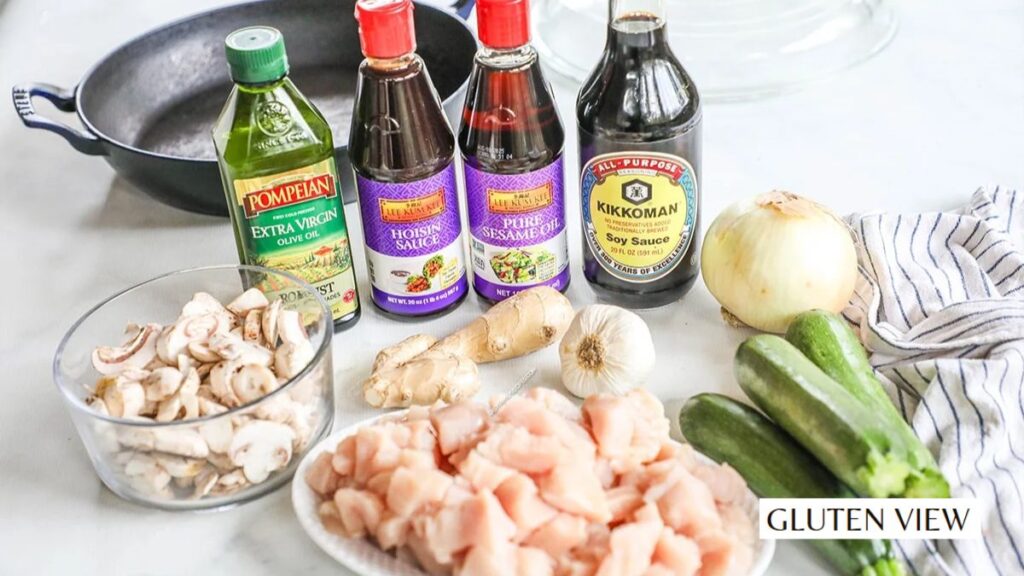
The safest way to enjoy these flavors is to make them at home. You can control every single ingredient. For a homemade ginger sauce, you can swap soy sauce for coconut aminos. This provides a salty, savory flavor without any gluten or soy. Plus, it is much lower in sodium, which is a nice health bonus.
The process is very simple. You just throw onion, ginger, rice vinegar, lemon juice, and coconut aminos into a food processor. Do not puree it fully. You want that signature chunky texture that makes it feel authentic. Gradually, you will find that your home version tastes even better than the restaurant one because the ingredients are fresh. On top of that, you do not have to worry about a “gluten attack” later that night.
Why Gluten Is Bad for Sensitive People: The Data Analysis
You might hear people talk about a gluten-free diet as a trend, but for many, it is a medical necessity. Gluten consists of two proteins: gliadin and glutenin. In people with Celiac disease, the body views these proteins as “invaders.” The immune system then attacks the lining of the small intestine. This causes major pain, bloating, and fatigue.
| Condition | Prevalence | Common Symptoms |
| Celiac Disease | ~1% of population | Diarrhea, weight loss, anemia, joint pain |
| Wheat Allergy | ~0.4% of population | Hives, swelling, anaphylaxis |
| Non-Celiac Sensitivity | Up to 6-8% of population | Bloating, stomach cramps, brain fog |
As shown in the table, millions of people are affected. Some research even suggests that gluten might play a role in brain disorders like schizophrenia or autism for certain individuals. Therefore, knowing is hibachi gluten-free is not just about a preference. It is about preventing serious health damage.
Tips and Tricks for a Healthier Hibachi Experience
If you are health-conscious, you should also think about the calories and sugar in these sauces. A batch of homemade hibachi sauce can have between 700 and 800 calories. This is mostly due to the mayonnaise and butter. You can use avocado mayo or Greek yogurt for a lighter version. Also, try using monk fruit as a sugar substitute if you are watching your carbs.
Always remember to check the labels on “gluten-free” products too. Sometimes they use extra sugar or fats to make up for the missing texture. By focusing on whole foods like grilled chicken, shrimp, and fresh vegetables, you can have a very healthy meal. Just ensure you have your hibachi with gluten free soy sauce ready to go.
FAQ’s
Is Hibachi Sauce Gluten Free?
No, traditional hibachi sauce usually contains soy sauce made from wheat. You must find a version made with tamari or coconut aminos to be safe. Always check with the restaurant staff before eating.
Is hibachi white sauce gluten free?
It can be, but you must be careful. While the main ingredients like mayo and paprika are safe, some brands add wheat-based thickeners. Always look for a gluten-free label on bottled versions.
Does hibachi sauce have gluten if it is made with tamari?
No, tamari is a type of soy sauce that is specifically made without wheat. If the chef uses 100% tamari, the sauce should be safe for most people with Celiac disease.
Is hibachi ginger dressing gluten free?
Usually, it is not. Most restaurant dressings use a soy sauce base that contains wheat. It is safer to ask for a simple oil and vinegar dressing instead.
Are hibachi noodles gluten free?
No, almost all hibachi noodles are made from wheat flour. You should avoid them entirely or ask if the restaurant has rice noodles as a substitute.
Can I find a gluten free yum yum sauce at the store?
Yes, brands like Terry Ho’s offer a gluten-free version of the original sauce. Always read the nutrition facts and ingredient list to confirm the safety.
Is steamed rice safer than fried rice at a hibachi restaurant?
Yes, steamed rice is naturally gluten-free. Fried rice is often cooked with soy sauce and on the same grill as wheat-containing foods, which makes it risky.
What is a good substitute for soy sauce in hibachi?
Tamari is the most common substitute. Coconut aminos is another great option for those who also want to avoid soy entirely.
Is Benihana safe for people with gluten sensitivities?
Benihana offers a specific “Gluten Sensitive Menu”. They use gluten-free soy sauce for certain dishes, but they still warn about the possibility of cross-contact on the grill.
How do I know if I have a gluten sensitivity?
Common signs include chronic bloating, diarrhea, fatigue, and brain fog after eating wheat. The only way to know for sure is to speak with a doctor and get tested for Celiac disease.
Concluding Words
Is Hibachi Sauce Gluten Free – Ingredients You Should Know is a vital topic for anyone navigating the challenges of a gluten-free lifestyle. While the high-energy environment of a Japanese steakhouse is fun, the hidden wheat in soy sauce and the risk of cross-contamination are serious concerns.
You must be proactive. Talk to the chefs. Ask for tamari. When in doubt, stick to steamed rice and plain grilled proteins. By following the tips in this guide and paying close attention to ingredients, you can enjoy a delicious meal without compromising your health. Stay safe and enjoy the sizzle!