Many people love a good kick of spice in their meals. However, for those with Celiac disease or gluten sensitivity, a simple condiment can lead to a world of pain. About 1 percent of the population suffers from Celiac disease, and the numbers are on the rise. On top of that, over 80 percent of people with this condition do not even know they have it. This makes the question Is Chili Garlic Sauce Gluten Free – Ingredients, Brands & Safety a very big deal for your health.
Gluten is a protein found in wheat, barley, and rye that acts like a glue in food. It provides structure and chewiness, but it is truly a problem for sensitive guts. In your kitchen, you might think a jar of chili sauce is safe because it is mostly peppers and garlic. However, hidden wheat can hide in thickeners, vinegars, or cross-contaminated facilities. This guide will help you navigate the spicy world of condiments without the worry.
- Many top brands like Lee Kum Kee are certified as gluten-free.
- Hidden wheat often lurks in modified food starch or malt vinegar.
- Making your own sauce at home is the safest way to avoid any gluten.
What is this Spicy Condiment and Why is it Important?
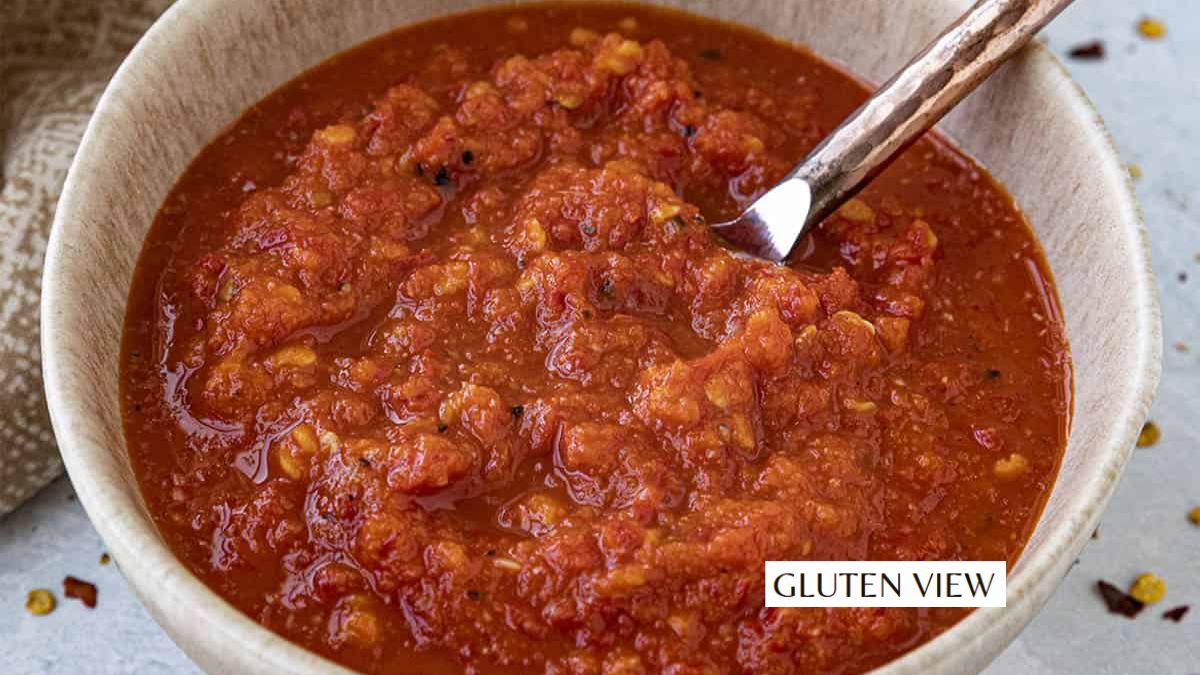
Chili garlic sauce is a thick, chunky, and spicy paste. It usually contains red chili peppers, plenty of garlic, salt, and vinegar. People use it to add a “punch” to stir-fries, noodles, and even pizza. For health-conscious folks, it is a great way to add flavor without many calories. But for those with allergies, the safety of the bottle is the priority.
The question of Is Chili Garlic Sauce Gluten Free – Ingredients, Brands & Safety matters because even a tiny crumb of gluten can trigger an immune attack. This attack damages the small intestine and leads to fatigue, anemia, or worse. Therefore, you must be a detective when you shop. You need to know what goes into that jar before it hits your plate.
The Big Answer: Is Chili Garlic Sauce Gluten Free?
The short answer is often yes, but you must be careful. Most basic chili garlic sauces use simple ingredients that are naturally safe. For instance, the famous Huy Fong brand states their products are gluten-free according to their suppliers. However, they do not always put a “Certified Gluten-Free” label on every bottle. This is where things get a bit tricky for the very sensitive.
You might wonder, is chili garlic sauce gf for every single brand on the shelf? Not necessarily. Some brands might use wheat-based thickeners to get that perfect texture. Additionally, cross-contamination in a factory that also processes wheat products is a real risk. You should always look for a official logo to be 100 percent sure.
Common Ingredients That Might Contain Hidden Gluten

You need to watch out for sneaky names on the label. First of all, modified food starch is a common thickener. While it often comes from corn, it can sometimes come from wheat. If the label does not say “corn,” you might want to skip it. Later, you should check the type of vinegar used in the mix.
Distilled white vinegar is usually safe because the distillation process removes gluten proteins. On the contrary, malt vinegar comes from barley and is a major red flag. Plus, some brands add soy sauce for extra flavor. Traditional soy sauce almost always contains wheat. Here is a quick look at common ingredients in these sauces.
Table 1: Ingredient Safety Breakdown
| Ingredient | Status | Potential Source |
| Chili Peppers | Safe | Naturally Gluten-Free |
| Garlic | Safe | Naturally Gluten-Free |
| Distilled Vinegar | Safe | Grains (Gluten removed) |
| Malt Vinegar | Danger | Barley (Not distilled) |
| Soy Sauce | Danger | Wheat (Unless GF labeled) |
| Modified Starch | Caution | Could be Wheat |
Though most peppers are safe, the additives make the difference. Similarly, “natural flavorings” can sometimes hide barley or wheat extracts. Therefore, you should stick to brands that are very clear about their sources.
Analyzing the Brands: Is Huy Fong Chili Garlic Sauce Gluten Free?
Everyone knows the “Rooster” brand. You might ask, is huy fong chili garlic sauce gluten free? The company says their products do not contain wheat or gluten per their ingredient vendors. Their chili garlic sauce contains chili, salt, garlic, acetic acid, and some preservatives. These are generally safe for most people.
However, some bottles are not officially labeled as “Certified Gluten-Free”. This means a third party has not verified the gluten levels are below 20 parts per million. For people with very high sensitivity, this might be a concern. Additionally, some folks ask, is tuong chili garlic sauce gluten free? This is just another name for the same type of sauce, and the same rules apply. Always read the back of the specific jar you hold.
Other Popular Brands and Their Safety Status
Let us look at some other options. People often ask, is asian chili garlic sauce gluten free when they see different imports. Lee Kum Kee offers a version that is clearly marked as “Gluten Free” on their official website. Their ingredients include salted chili peppers, rice vinegar, and modified corn starch. This is a very solid choice for a safe meal.
What about other types? You might wonder is spicy garlic sauce gluten free if it is a different style. Kikkoman makes a Sweet Chili Sauce that is Certified Gluten-Free. Plus, it is also Kosher. On top of that, you should be careful with brands like Knorr. Many people ask, is knorr chilli garlic sauce gluten free? You must check the label every time, as recipes can change. Some processed sauces use wheat flour as a cheap filler.
The Rise of Crunchy and Specialty Sauces
There is a big trend for “chili crisp” or crunchy sauces right now. You might ask, is crunchy garlic chili sauce gluten free? These often contain deep-fried bits of garlic or onions. Sometimes, these bits are dusted in flour to make them extra crispy. On top of that, some use soy beans or other additives that might carry a risk of cross-contamination.
Similarly, you might look for hot sauce brands. People often ask, is cholula chili garlic sauce gluten free? While many hot sauces are safe because they are mostly vinegar and peppers, you should still check for “malt” or “wheat” on the label. Gradually, more brands are moving toward clear labeling to help the Celiac community.
How to Make Your Own Safe Sauce: Step-by-Step
The best way to guarantee a safe meal is to make it yourself. It is easier than you think! First of all, you get to control the spice and the salt. Later, you can be sure no wheat enters the pot.
Steps to Create Your Own Safe Sauce:
- Gather Ingredients: You need 8 ounces of red jalapeno peppers, 2 bulbs of garlic, salt, sugar, and white distilled vinegar.
- Blend the Mix: Put everything in a blender and pulse until it is chunky.
- Strain for Smoothness (Optional): If you want a smoother sauce, strain the mixture and keep the juice.
- Simmer: Put the mix in a pot and bring it to a boil. This helps thicken it and melds the flavors.
- Add a Safe Thickener: Mix 1 teaspoon of cornstarch with water to make a “slurry.” Stir it into the pot to get that perfect texture.
- Cool and Store: Let it cool completely. Then, put it in a clean glass jar and keep it in the fridge.
This homemade version is a great copycat of the store brands. Plus, it is naturally vegan and totally free of gluten. You can keep it in the fridge for about a month, but it often lasts longer because of the vinegar and salt.
Tips and Tricks for Staying Safe While Eating Spicy
Eating out can be scary. When you see a “spicy garlic” dish on a menu, you must ask questions. First of all, ask the server if the sauce comes from a bottle or is made in-house. Does chili garlic sauce have gluten in a restaurant setting? Often, yes, because they might add soy sauce for umami.
Table 2: Safety Tips for Spice Lovers
| Tip | Importance | How to do it |
| Check for Soy | High | Ask if the sauce has soy sauce; it usually has wheat. |
| Verify Thickeners | Medium | Ask if they use flour or cornstarch to thicken the sauce. |
| Watch for Malt | High | Ensure no malt vinegar was used in the base. |
| Clean Surfaces | High | Ensure the kitchen uses separate pans to avoid crumbs. |
Additionally, you should be careful with “fried” chili toppings. These are often cooked in the same oil as breaded chicken or spring rolls. This cross-contamination can be just as bad as eating a slice of bread for a Celiac patient.
Why Health-Conscious People Choose Gluten-Free
Even if you do not have Celiac disease, you might choose to avoid gluten. Many people report feeling less bloated and having more energy. Some studies even suggest a gluten-free diet helps with brain disorders like Schizophrenia or Autism. Though this is still being studied, the personal stories are very strong.
On top of that, a gluten-free lifestyle often leads you to eat more “whole foods” like fresh peppers and garlic. You avoid the heavy fillers and processed gunk found in many cheap condiments. Finally, you take control of what enters your body. This is a big win for your long-term health.
FAQ’s
Is Chili Garlic Sauce Gluten Free?
Most of the time, yes. However, you must read the label for hidden wheat in thickeners or soy sauce. Many brands like Lee Kum Kee are safe.
What ingredients should I avoid in spicy sauces?
You should stay away from malt vinegar, soy sauce (unless labeled GF), and wheat flour. These are common sources of trouble.
Is Huy Fong Chili Garlic Sauce safe for Celiacs?
The company says it is gluten-free based on their vendors. But, it is not always officially certified, so very sensitive people should be cautious.
Can I use cornstarch as a thickener?
Yes! Cornstarch is a safe, gluten-free way to thicken your homemade sauces. It works much better than flour for this.
Why is soy sauce a problem?
Traditional soy sauce is made with wheat as a main ingredient. It is one of the biggest “sneaky” sources of gluten in Asian cooking.
Is distilled vinegar safe?
Yes, the distillation process removes gluten proteins, making it safe even if it started from a grain. Most commercial sauces use this.
How long does homemade chili garlic sauce last?
It can stay fresh in the fridge for at least a month. The vinegar and salt act as natural preservatives to keep bacteria away.
Does “wheat-free” mean “gluten-free”?
No! A product can be wheat-free but still contain barley or rye. Always look for the specific “gluten-free” label to be sure.
What are the symptoms of gluten sensitivity?
Common signs include bloating, diarrhea, fatigue, and even anemia. If you feel sick after spicy food, check the sauce ingredients!
Are “crunchy” chili sauces safe?
You have to be very careful. Some use flour to make the garlic bits crunchy or process them in shared equipment.
Concluding Words
Navigating the question of Is Chili Garlic Sauce Gluten Free – Ingredients, Brands & Safety is a journey of reading labels and asking the right questions. While many options are naturally safe, hidden dangers like malt vinegar or wheat-based thickeners can ruin your day.
Stick to trusted brands like Lee Kum Kee or Kikkoman for guaranteed safety. Or, better yet, whip up a batch at home to be the master of your own kitchen. Your gut will thank you for the extra effort! Stay spicy and stay safe.